
Bored cat: how to spot the signs and keep them busy
An indoor cat can lack opportunities to hunt, climb or explore. Here are the signs that may point to it, the health causes to rule out first and simple ideas to keep them busy.
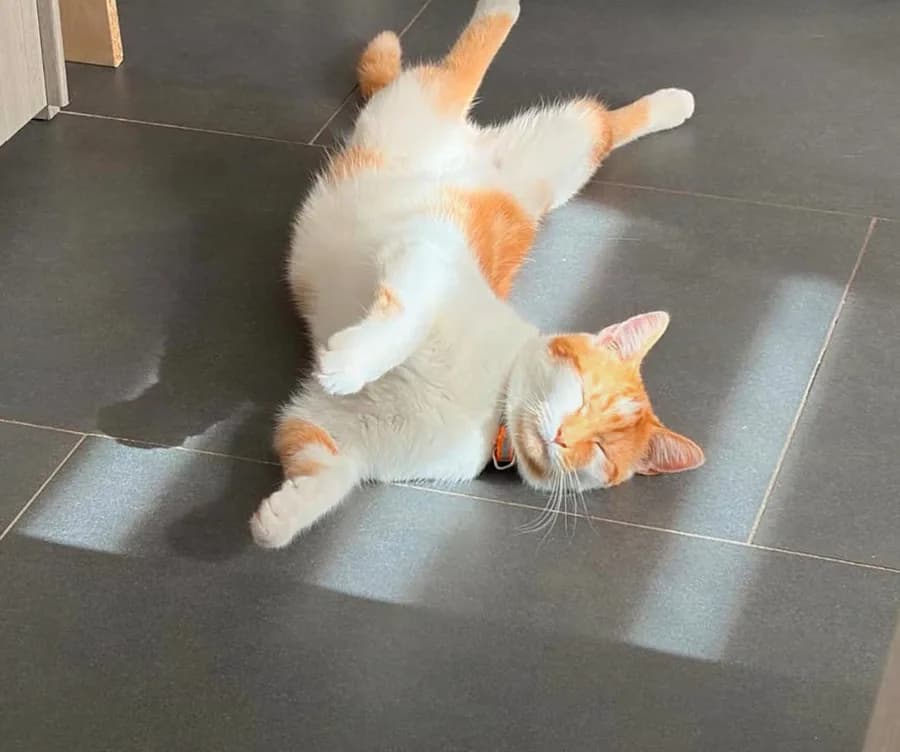
1. Can a cat really get bored?
Talking about boredom in a cat generally means that they lack opportunities to express their natural behaviours: hunting, climbing, exploring, scratching. According to the 2013 guidelines from the AAFP and the ISFM, two organisations of feline veterinarians, depriving a cat of the chance to behave as a predator can lead to obesity, boredom and frustration.
An indoor cat has nothing to chase: meals arrive in the bowl. Yet the urge to hunt does not disappear when a cat is well fed. International Cat Care points out that the motivation to hunt is only partly related to hunger.
Boredom is not a medical diagnosis: what you see (meowing, scratching, snacking) can have other causes. The following sections therefore talk about possible signs, not certainties.
2. Which signs can point to boredom?
Cats Protection, a UK cat welfare charity, lists among the possible signs: very frequent bursts of wild running (the “zoomies”), more sleep than usual, meowing for attention, pacing, excessive grooming, a tendency to overeat, damaged furniture, or aggression towards people or other animals.
None of these signs proves boredom on its own. A few bursts of zoomies now and then are normal; it is how often they happen (every day, for example) or a clear change from their usual habits that should alert you. Sleeping a lot is not suspicious in itself: a cat generally sleeps between 12 and 18 hours a day.
3. Before assuming boredom, think about health
The same behaviours can come from pain, illness or stress. Cats Protection recommends consulting your vet first for any change in behaviour, to rule out a medical cause. A cat that sleeps clearly more than before, hides more or eats less also deserves a vet’s opinion.
The same applies if they seem bored but refuse to play: a health check can reveal a problem you cannot see. The ideas below remain useful, but they do not replace that advice.
4. Hunting play: the first thing to try
Interactive play means moving a fishing-rod toy (a wand with a feather or a small soft toy on the end) the way prey would move: the toy runs in a straight line, stops, hides, sets off again. The AAFP and the ISFM recommend making it fly or flee away from the cat, then letting them catch the toy to simulate a capture.
Several short sessions are better than one long one: Cats Protection says most cats only need short sessions of a few minutes, repeated several times a day, and the Ontario SPCA suggests sessions of 5 to 10 minutes. Finish with a small treat or their meal, as at the end of a hunt, then put the wand away out of reach.
5. Make them work for their food
For an indoor cat, mealtime can become a hunting moment. The AAFP and the ISFM recommend hiding food in several places, tossing a few kibbles to chase, or offering puzzle feeders and timed feeders, which encourage small, frequent meals. A toilet-paper tube or an egg box can serve as a homemade puzzle feeder.
Take this food from their daily ration: International Cat Care points out that giving more food does not reduce the urge to hunt and risks weight gain.
6. Vary their surroundings without necessarily buying anything
Change the toys on offer regularly: the AAFP and the ISFM recommend rotating them to prevent habituation and boredom. VCA, a US network of veterinary hospitals, suggests bringing out only 4 or 5 at a time and swapping them weekly; this is only a guideline, to adjust to your cat’s interest.
A cardboard box, a ball of scrunched paper or a hidden toy they have to find costs almost nothing. Supervise these improvised games and remove anything that frays or that they could swallow. A raised spot (shelf, cat tree) increases their space and lets them observe their surroundings (AAFP and ISFM); Cats Protection also suggests a windowsill perch for watching the outside.
7. Does a second cat solve the problem?
Not automatically. Cats Protection points out that cats are solitary animals who won’t necessarily want to play with another cat, and that having another cat around could cause them a lot of stress. The AAFP and the ISFM state that a new cat should be introduced to the cats already at home gradually.
If, despite these changes, your cat stays restless, hurts themselves (licking until the fur comes off, scratches) or if their behaviour worries you, ask your vet, who can refer you to a behaviour specialist.
Sources and references
- AAFP and ISFM — Feline Environmental Needs Guidelines (2013)
- International Cat Care — Understanding the hunting behaviour of cats
- Cats Protection — Is my cat bored? How to help a bored cat
- Cats Protection — Cats and sleep
- VCA — Cat Behavior and Training: Play and Play Toys
- Ontario SPCA — What is interactive play for cats?