
Kitten biting: why it happens and how to respond
For a kitten, play is hunting, and hands and feet can become prey. Here is how to redirect their attention to a toy, what to avoid and when to ask a vet.
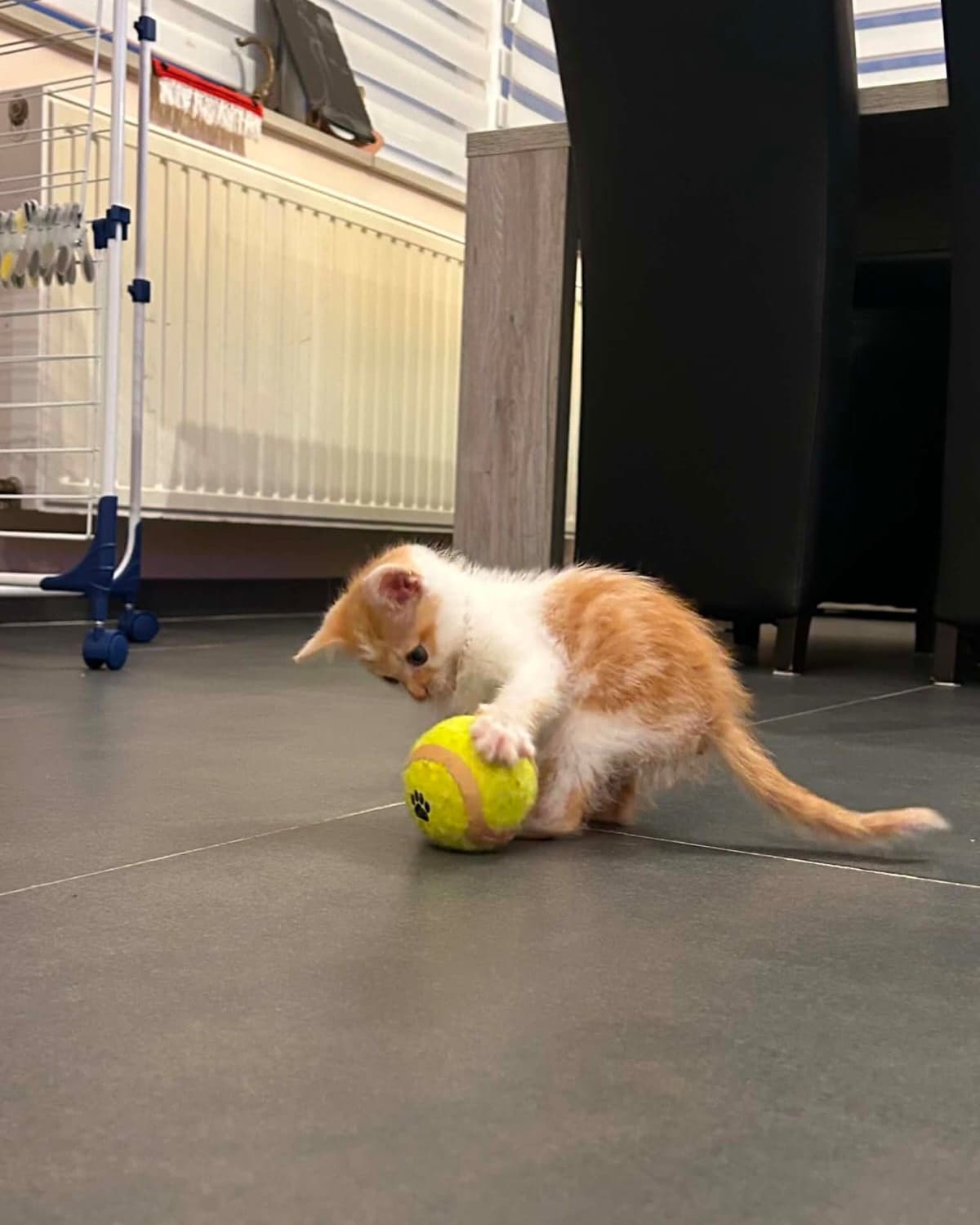
1. Why does a kitten bite?
For a kitten, play is hunting. VCA, a US network of veterinary hospitals, sums it up by saying that kittens are all about play and prey, and mentions cats that pounce out at your feet from a hiding place. VCA notes that this kind of rough play is usually more common in kittens, and is seen in particular in cats under 2 years old that have no other feline companions.
The Cornell Feline Health Center, Cornell University’s feline health centre, notes that this kind of aggressive play mostly affects young cats and kittens that were not raised with littermates or that lack opportunities to play.
2. Never play with your hands or feet
VCA is clear: do not let your kitten play with your hands or feet, because letting them play with your fingers teaches them that body parts are acceptable prey. International Cat Care adds that growing teeth and claws can cause pain and injury, and that a kitten may come to link human fingers with play. Cats Protection, a UK cat welfare charity, also advises avoiding playing with your hands, and the 2013 guidelines from the AAFP and the ISFM, two organisations of feline veterinarians, advise against hands and feet in any kind of play, so that neither the cat nor you gets hurt.
Use a moving toy instead: VCA suggests a feather on the end of a fishing-rod toy or a small fleece toy to toss. Cornell adds that the object used for distraction should be kept at a distance from your hands so that the cat cannot bite or scratch you.
3. When they bite: redirect their attention
If your kitten goes for your hands, use a toy to draw their attention away, says VCA, and be consistent: every time they chew on your hands, feet or clothes, redirect them. Cats Protection gives the same rule: always use a toy to redirect their attention away from your fingers.
Moving toys work best: VCA says moving objects that can be stalked, chased, swatted or pounced on best stimulate a cat’s play. During a lively session, your kitten may also enjoy thumping their back feet on a plush stuffed animal. Make sure the toys are safe and not small enough to be swallowed.
If things get out of hand, VCA says you can ignore the cat, or even walk out of the room, and toss a small toy to divert them.
4. Short play sessions that you start
To prevent these attacks, VCA advises scheduling play sessions, and that you should be the one to start them, not the kitten. It is best to end a session before the kitten becomes too agitated.
International Cat Care notes that a kitten’s play may last only a few minutes, as kittens can get bored and tire easily, and advises ending the game gradually by directing their attention to something else, such as food. VCA adds that playing regularly helps a kitten learn the rules of play and use up excess energy.
5. What to avoid: punishment
Do not punish your kitten physically. Cornell writes that you should never physically punish a cat, or even touch them, during these episodes: any type of physical punishment can increase a cat’s fear or anxiety and worsen aggression, or be interpreted as play. VCA adds that punishment may cause fear and avoidance of people, and that attempts to correct playful aggression with physical contact may actually reward the behaviour.
6. Other options: a playmate, claws
VCA also mentions adding a second kitten as a playmate, provided both cats have been adequately socialised to cats. It is a big commitment, not to be taken lightly.
Cats Protection says that clipping your kitten’s claws every four to six weeks may help, and recommends only clipping the claws on the front paws.
7. When to ask a vet
Not every kitten that bites is playing. Cornell describes other forms of aggression, for example linked to fear or pain, and states that hyperthyroidism, osteoarthritis, dental disease and central nervous system problems may cause aggression. It recommends ensuring there is no medical reason for aggressive behaviour and consulting a vet before attempting to manage an aggressive cat.
If you are unsure what kind of behaviour you are seeing, or if nothing changes despite this advice, ask your vet.
This guide is for information only and does not replace a vet’s advice. If you are in doubt, or your cat changes suddenly, ask your vet.
Sources and references
- VCA — How to deal with a mouthy kitten
- VCA — Play and predatory aggression in cats
- Cornell Feline Health Center — Feline behavior problems: aggression
- International Cat Care — Playing with your cat
- Cats Protection — How can I stop kitten biting?
- AAFP and ISFM — Feline Environmental Needs Guidelines (2013)